Understanding Custom Stainless Steel Parts
In today’s industrial landscape, the demand for custom stainless steel parts is on the rise, driven by the need for high-performance materials that can withstand demanding environments. From intricate components in medical devices to durable parts in food processing equipment, the versatility of stainless steel has made it a material of choice across various industries. This article will delve into the nature of custom stainless steel parts, explore the CNC machining process that brings these parts to life, examine the importance of quality control, and anticipate future trends in this dynamic sector.
What Are Custom Stainless Steel Parts?
Custom stainless steel parts are components manufactured to specific designs and specifications from stainless steel, a material known for its corrosion resistance, strength, and durability. These parts can take on various forms, including precision-engineered components, structural elements, and aesthetic fixtures. The customization aspect means they are tailored to meet the unique requirements of different applications, ensuring that they perform optimally in their intended environments.
Key Materials and Specifications
Stainless steel is classified into several grades, with a few of the most common being 304, 316, and 440C. Each grade offers distinct properties suitable for various applications:
- Grade 304: Known for its excellent corrosion resistance and good formability, making it suitable for general-purpose use.
- Grade 316: Offers improved corrosion resistance and is ideal for marine and chemical applications.
- Grade 440C: A high-carbon stainless steel known for its hardness and wear resistance, often used in cutting tools and bearings.
When selecting materials for custom stainless steel parts, considerations like tensile strength, fatigue resistance, and environmental conditions play a crucial role in ensuring the longevity and reliability of the parts.
Applications Across Industries
Custom stainless steel parts find applications in numerous sectors, thanks to their robustness and adaptability:
- Medical Industry: Used in surgical instruments, implantable devices, and dental tools where precision and sterility are paramount.
- Food Processing: Ensures hygienic operations and compliance with health regulations, critical for production lines that require durability and easy cleaning.
- Chemical Engineering: Capable of withstanding harsh chemicals and corrosive environments, these parts are essential in reactors, fittings, and valves.
The CNC Machining Process Explained
CNC (Computer Numerical Control) machining has revolutionized the manufacturing of custom stainless steel parts. This technology allows for high precision and repeatability, which are critical for quality assurance in part fabrication. CNC machines utilize pre-programmed computer software to control the movement of tools and machinery, enabling the production of complex shapes and designs.
Overview of CNC Machining Techniques
Several CNC machining techniques are employed in the production of custom stainless steel parts, including:
- CNC Milling: A process that involves removing material from a workpiece using rotating cutters.
- CNC Turning: Involves rotating the workpiece against a cutting tool to create cylindrical shapes.
- EDM (Electrical Discharge Machining): Uses electrical discharges to remove material, especially useful for hard stainless steel grades.
Benefits of CNC Machining for Custom Parts
The advantages of employing CNC machining for custom stainless steel parts include:
- Precision: CNC machining can achieve tolerances as tight as ±0.001 inches.
- Efficiency: Automated processes can reduce production times significantly.
- Versatility: CNC machines can produce a wide range of parts with varying complexities.
Common Challenges in CNC Machining
While CNC machining offers numerous benefits, several challenges can arise, such as:
- Material Considerations: Certain stainless steel grades can present difficulties in machining due to their hardness and tendency to work-harden.
- High Setup Costs: Prototyping and setup for custom orders can be costly, particularly for low volume runs.
- Programming Complexity: Creating effective CNC programs requires specialized knowledge and expertise.
Quality Control in Custom Part Manufacturing
Quality assurance is crucial in custom part manufacturing, especially when parts are intended for critical applications such as medical or aerospace industries. Implementing rigorous quality control measures is essential to ensure that every part meets the necessary specifications and standards.
Importance of Quality Assurance Measures
Quality assurance in the manufacturing of custom stainless steel parts involves the following:
- Design Reviews: Ensuring that designs are feasible and optimized for manufacturing processes.
- Process Controls: Monitoring machining processes to maintain consistency and quality.
- Final Inspections: Utilizing advanced inspection techniques to verify that parts meet dimensional and performance criteria.
Inspection Techniques for Precision Parts
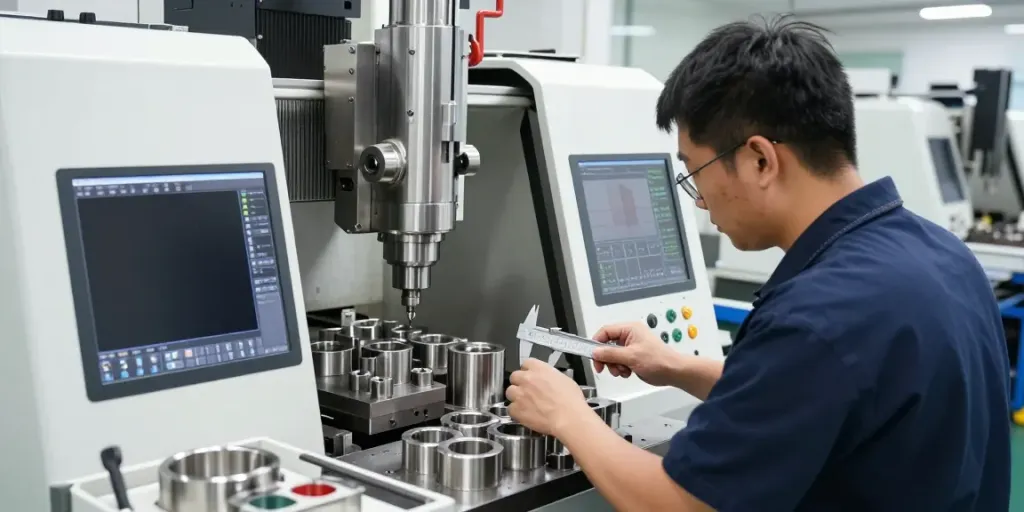
Techniques such as Coordinate Measuring Machines (CMM), laser scanning, and optical measurement systems are employed to achieve high accuracy and reliability in inspection processes. These methods ensure that deviations from specifications are identified and rectified early in the production process.
Case Studies of Successful Projects
Many industries benefit from custom stainless steel parts. For instance, in the medical field, a project involving the manufacture of surgical instruments required the production of complex geometries with tight tolerances. By employing advanced CNC machining techniques and rigorous quality checks, the manufacturer was able to deliver high-quality instruments that met stringent safety and performance standards.
Future Trends in Stainless Steel Machining
As we look toward the future, the manufacturing of custom stainless steel parts is poised to evolve significantly. Emerging technologies and changing market demands will shape this landscape profoundly.
Innovations to Watch in 2026
Innovations expected to transform the industry include:
- Advanced Materials: Development of new stainless steel alloys that provide enhanced performance characteristics.
- Automation: Increased use of robotics and AI in machining processes, leading to improved efficiency and accuracy.
- Hybrid Manufacturing: Combining additive manufacturing with CNC machining for complex part geometries.
Sustainable Practices in Custom Manufacturing
With growing concerns around environmental sustainability, manufacturers are adopting practices such as:
- Waste Reduction: By optimizing material usage and recycling scrap materials.
- Energy Efficiency: Implementing energy-efficient machinery and practices to reduce carbon footprints.
- Eco-friendly Materials: Sourcing stainless steel from sustainable suppliers.
Impact of Technology on Manufacturing
The integration of technology into the manufacturing process has a profound impact on productivity, allowing for faster lead times, reduced costs, and increased customization options. Machine learning and data analytics are being used to optimize production schedules and predict maintenance needs, ensuring uninterrupted operations.
Choosing the Right Partner for Custom Parts
Finding the right partner for manufacturing custom stainless steel parts is critical to project success. A reliable partner will not only provide exceptional products but also offer comprehensive support throughout the process.
What to Look for in a CNC Machining Partner
When evaluating potential partners, consider the following:
- Experience: Look for a partner with a proven track record in CNC machining and custom part fabrication.
- Technical Capabilities: Ensure they have the latest technology and machinery to meet your specifications.
- Quality Standards: Check for certifications and commitment to quality assurance.
Questions to Ask Potential Suppliers
To ensure a good fit, ask potential suppliers about:
- What quality control measures they have in place.
- Lead times for custom projects.
- Their process for handling design changes and revisions.
Tips for Successful Collaboration
Establishing a successful partnership involves clear communication and understanding. Share detailed specifications, remain open to feedback, and engage in regular updates to align expectations and progress.
What are custom stainless steel parts?
Custom stainless steel parts are engineered components made from stainless steel, tailored to meet specific application requirements across various industries.
Why choose CNC machining for custom parts?
CNC machining offers precision, efficiency, and versatility, making it ideal for creating custom parts that require tight tolerances and complex geometries.
What industries benefit from stainless steel parts?
Industries such as medical, food processing, and chemical engineering heavily rely on stainless steel parts for their durability, corrosion resistance, and hygienic properties.
How to ensure quality in custom machining?
Implementing rigorous quality control measures, conducting final inspections, and utilizing advanced inspection technologies are essential for maintaining quality in custom machining.
What trends will shape the market for stainless steel parts in 2026?
Key trends to watch include advancements in materials, increased automation in manufacturing, and a shift towards sustainable practices that prioritize environmental responsibility.