Understanding Containerized Wastewater Treatment Solutions
In the quest for effective wastewater management, the shift towards containerized solutions has significantly transformed the landscape. Containerized wastewater treatment systems offer a streamlined approach that addresses various water treatment challenges, ranging from domestic sewage to complex industrial effluent. By encapsulating advanced treatment technologies within standard shipping containers, these systems not only enable rapid deployment but also ensure operational flexibility and compliance with stringent environmental regulations. When exploring options, containerized wastewater treatment provides comprehensive insights into how these systems can efficiently tackle water quality issues across different industries.
What is Containerized Wastewater Treatment?
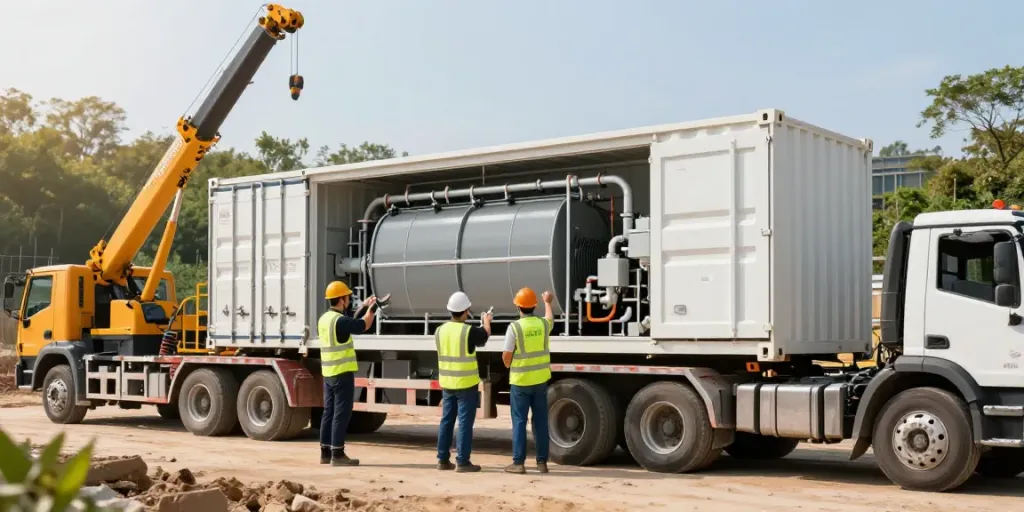
Containerized wastewater treatment refers to a modular approach to water treatment that utilizes pre-engineered systems housed within ISO-compliant shipping containers. These systems are engineered to meet a range of treatment needs, integrating various processes such as screening, sedimentation, biological treatment, and disinfection in a compact and transportable format. They are designed to be self-sufficient and can be deployed in various settings, including remote locations and areas lacking existing infrastructure.
Benefits of Modular Design for Wastewater Management
- Rapid Deployment: With a typical installation requiring only a flatbed truck and a crane, containerized systems can be on-site and operational in just one to two days, making them ideal for urgent requirements.
- Flexibility: Their modular nature allows for easy scaling; additional units can be added as demand increases, or systems can be relocated to address changing needs.
- Reduced Footprint: These systems are designed to occupy minimal space while providing significant treatment capacity, making them suitable for urban environments or sites with land constraints.
- Compliance Ready: Built-in technologies ensure that effluent meets local and international environmental standards, mitigating risks associated with wastewater discharge.
Key Components of Containerized Systems
Containerized wastewater treatment systems typically integrate several key components that work together to ensure efficient treatment. These include:
- Pre-Treatment Units: Including screens and grit chambers to remove large solids and debris, ensuring the main treatment processes are efficient.
- Biological Treatment Modules: Often utilizing aerobic or anaerobic processes to break down organic materials in the wastewater.
- Disinfection Units: Methods such as UV treatment or chlorination to eliminate pathogenic organisms before the final discharge of treated water.
- Control Systems: Automated controls and monitoring systems that ensure operational efficiency and compliance with discharge quality standards.
Industry Applications of Containerized Wastewater Treatment
Containerized wastewater treatment systems are versatile and can cater to a broad spectrum of applications across various industries.
Domestic vs. Industrial Wastewater Treatment Needs
While domestic wastewater treatment focuses on handling sewage from households, industrial treatment addresses the complexities of effluent from manufacturing processes. Containerized systems are uniquely suited for both sectors due to their ability to be tailored to specific treatment processes and effluent characteristics. For example, industrial applications often require advanced treatment technologies to handle high-strength effluents with varying chemical compositions.
Case Studies: Successful Implementations
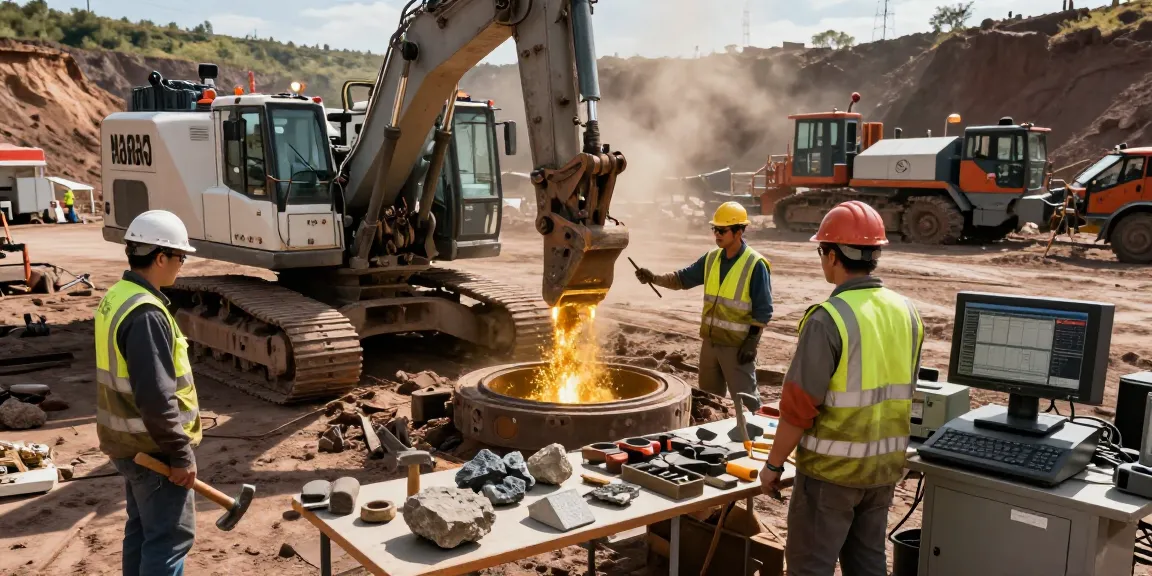
Numerous case studies illustrate the efficacy of containerized wastewater treatment systems. In remote mining operations, companies have deployed modular units that not only handled wastewater on-site but also provided reclaimed water for operational processes, significantly reducing freshwater consumption. Similarly, in disaster-stricken areas, temporary containerized plants have been set up to manage increased wastewater loads during recovery efforts, ensuring public health and environmental compliance.
Challenges Overcome by Containerized Solutions
Containerized solutions address key challenges in the wastewater treatment landscape, notably:
- Lack of Infrastructure: In regions with limited sewage infrastructure, containerized systems can be deployed rapidly to manage wastewater effectively.
- Space Limitations: Their compact design makes them ideal for urban settings where land is scarce, allowing treatment solutions to be integrated into existing facilities.
- Compliance with Regulations: With built-in monitoring and treatment options, these systems assist operators in maintaining compliance with evolving environmental regulations.
Regulatory Compliance and Standards in 2026
As environmental policies evolve, staying compliant with regulations is crucial for wastewater treatment operations. Containerized systems are designed to adapt flexibly to these changing standards.
Environmental Regulations Affecting Wastewater Solutions
In 2026, many regions will implement stricter discharge limits for various pollutants. Containerized systems equipped with advanced treatment technologies can help facilities meet these requirements without significant capital investment in traditional infrastructure.
Adapting to Emerging Compliance Standards
Operators must remain vigilant about upcoming regulations related to nutrient removal and emerging contaminants. By integrating flexible design approaches, containerized systems can be updated with new technologies to comply with these standards, ensuring long-term viability and environmental protection.
Best Practices for Achieving Compliance
To navigate regulatory landscapes effectively, operators should:
- Conduct regular audits of treatment processes to ensure compliance.
- Invest in training for staff on emerging regulations and advanced treatment technologies.
- Implement robust monitoring systems to provide real-time data on effluent quality.
Technological Innovations Enhancing Wastewater Treatment
Technological advancements continue to drive improvements in containerized wastewater treatment systems.
New Technologies in Containerized Systems
Innovations in aeration technologies, advanced biological treatment methods, and real-time monitoring solutions are being incorporated into containerized systems. These advancements not only enhance treatment efficiency but also reduce operational costs.
Future Trends in Wastewater Treatment Technology
Looking ahead, trends suggest a shift towards more sustainable practices, including the integration of renewable energy sources like solar and wind into operational frameworks, further decreasing the environmental footprint of wastewater treatment.
Integrating Sustainable Practices into Containerized Systems
Utilizing green technologies and practices can significantly enhance the sustainability of containerized systems. Retrofitting plants with energy-efficient pumps, employing solar energy for operational needs, and implementing water recycling systems will become standard practices in the industry.
Implementing Containerized Solutions: A Step-by-Step Guide
Integrating containerized wastewater treatment systems into existing operations involves several critical steps to ensure optimal performance and compliance.
Choosing the Right Containerized System for Your Needs
Assessing the specific needs of your application is paramount. Factors to consider include the type of wastewater, treatment capacity, and required effluent quality standards. Engaging with suppliers to discuss tailored solutions is a crucial first step.
Installation and Maintenance Best Practices
Once a system is chosen, proper installation is essential for optimal performance. Regular maintenance schedules should be established to ensure all components function effectively and efficiently.
Measuring Performance and Success in Treatment Efficiency
Operators should implement performance metrics that gauge treatment efficiency, operational costs, and compliance with regulatory standards. Data analysis tools can assist in optimizing operational effectiveness.
What Are the Benefits of Containerized Wastewater Treatment?
Containerized systems offer numerous benefits including rapid deployment, flexibility, compliance readiness, and low operational costs. They are adaptable to various applications, making them an increasingly popular choice across multiple industries.
What Are the Costs Involved in Implementing These Systems?
Costs can vary based on the system design, treatment processes involved, and site preparation requirements. While initial capital investment may be higher than traditional systems, the operational savings and compliance benefits often outweigh these costs over time.
Can Containerized Systems Be Customized?
Yes, containerized systems can be tailored to meet specific operational needs, including modifications to treatment processes and technology integration based on local regulations and wastewater characteristics.
How Do Containerized Systems Compare to Traditional Treatment?
Containerized systems offer several advantages over traditional treatment methods, such as shortened installation time, modular scaling options, and often lower overall lifecycle costs, making them a favorable choice in many scenarios.
What Future Developments Can We Expect in This Industry?
As technology progresses, we anticipate further advancements in automation, AI-driven monitoring systems, and enhanced treatment technologies, which will make containerized systems even more efficient and cost-effective.