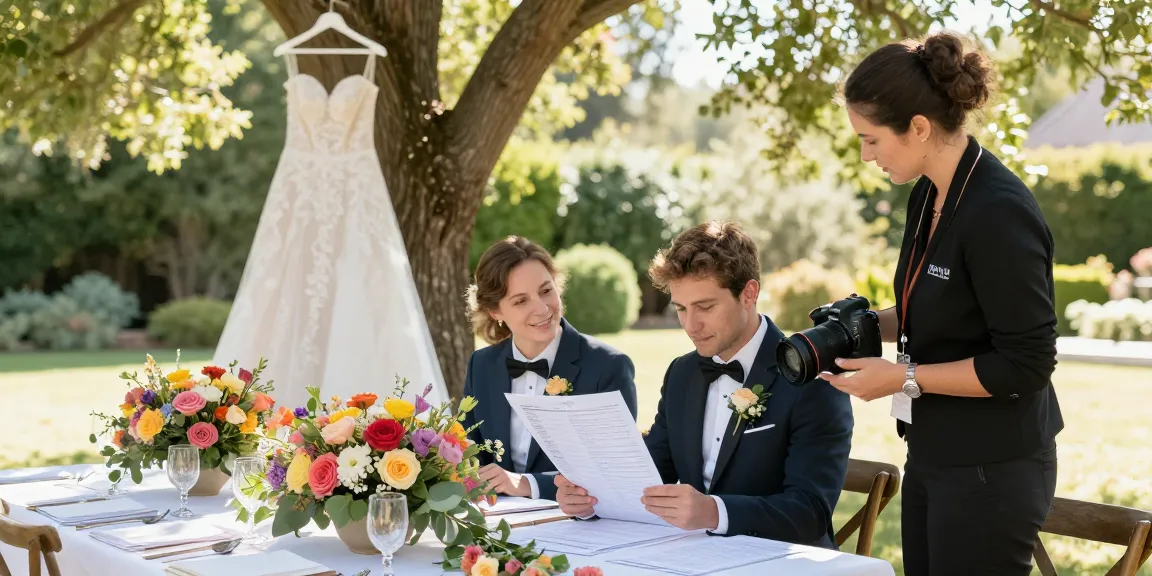
Understanding the Essentials of a Wedding Planning Checklist
Planning a wedding can be one of the most exciting yet overwhelming experiences in a couple's life. With so many details to coordinate, from venue selection to vendor management, having a comprehensive wedding planning checklist is invaluable. This guide delves into the intricacies of creating a customized wedding planning checklist that ensures all essential tasks are covered, making your special day seamless and enjoyable.
What is a Wedding Planning Checklist?
A wedding planning checklist is a structured list of tasks and deadlines that assists couples in organizing every aspect of their wedding. It typically covers everything from initial budgeting and guest list management to booking vendors and finalizing details as the wedding day approaches. By breaking down the planning process into manageable tasks, couples can tackle each item methodically.
Why Use a Wedding Planning Checklist?
Utilizing a wedding planning checklist allows for a more organized approach to wedding preparations. It helps couples to not only keep track of tasks but also prioritize them effectively. This organization can significantly reduce stress leading up to the wedding day. Moreover, a well-structured checklist helps ensure that no important detail is overlooked, leading to a smoother, more enjoyable celebration.
For those seeking a structured approach to their planning, the wedding planning checklist provides a comprehensive guide tailored to individual needs, ensuring a well-planned and memorable day.
Key Components of an Effective Wedding Planning Checklist
- Budgeting: Outline your overall budget, allocate funds to different aspects of the wedding, and track expenses.
- Guest List: Create and manage your guest list, including RSVPs and meal preferences.
- Venue Selection: Research and finalize the venue, including contracts and deposits.
- Vendor Management: List and contact potential vendors, schedule meetings, and finalize contracts.
- Timeline: Establish a wedding day timeline, including the ceremony, reception, and other events.
Creating Your Personalized Wedding Planning Checklist
Step-by-Step Guide to Building Your Checklist
Creating a personalized wedding planning checklist involves several steps:
- Set Your Budget: Determine your total wedding budget and allocate funds to various categories.
- Draft Your Guest List: Create a preliminary guest list to estimate the size of the wedding.
- Establish a Timeline: Set a wedding date and create a timeline leading up to that date with key milestones.
- Research Vendors: Identify and research potential vendors for catering, photography, music, and decor.
- Finalize Details: Confirm all vendor arrangements and logistics as the wedding day approaches.
Customization Tips for Different Wedding Styles
Different wedding styles require tailored checklists. For example:
- Destination Weddings: Include travel arrangements, accommodations, and additional legal requirements specific to the location.
- Outdoor Weddings: Factor in logistics like weather contingencies, seating arrangements, and outdoor facilities.
- Small Intimate Weddings: Focus on personal touches, such as handmade favors or customized invitations.
Incorporating Budgeting into Your Checklist
Budgeting is a critical component of your wedding planning checklist. Start by setting a realistic budget based on your savings and financial contributions from family. List all potential expenses, including venue fees, catering, attire, and decoration costs, and track each expense to ensure you stay within budget:
- Prioritize essential expenses versus optional ones.
- Keep a contingency fund for unexpected costs.
- Regularly review your spending to avoid overspending.
Timelines and Milestones: What to Include in Your Checklist
12-Month Wedding Planning Timeline
Planning a wedding typically starts about a year in advance. Here’s a breakdown of a 12-month timeline:
- 12 Months: Set your budget and establish a guest list.
- 10 Months: Book the venue and hire a wedding planner if desired.
- 8 Months: Choose vendors for catering, photography, and entertainment.
- 6 Months: Send out save-the-dates and start shopping for attire.
- 3 Months: Finalize your guest list and follow up on RSVPs.
- 1 Month: Confirm vendor arrangements and create a detailed timeline for the day.
Important Dates and Deadlines to Remember
Mark these crucial deadlines on your checklist to stay organized:
- Legal requirements (e.g., marriage license application deadline)
- Vendor deposit deadlines
- Final RSVP date
- Final payments due
Common Milestones and When to Achieve Them
Include common milestones in your checklist such as:
- Engagement party planning
- Bridal shower arrangements
- Bachelor/bachelorette party planning
Managing Vendor Relationships through Your Checklist
How to Track Vendor Information Effectively
Maintaining organized vendor information is critical for a smooth planning process. Here’s how:
- Create a dedicated spreadsheet for each vendor with contact information, contracts, and payment schedules.
- Establish points of contact for each vendor and note their preferred communication methods.
Key Questions to Ask Each Vendor
Before hiring vendors, ensure you ask:
- What is included in your package?
- Do you have references or reviews from previous clients?
- What is your cancellation policy?
Maintaining Communication and Follow-ups
Regular follow-up is essential to maintain relationships with your vendors. Schedule check-ins every few weeks leading up to the wedding, confirming details and addressing changes as they arise. This can prevent miscommunications and ensure everyone is on the same page as the big day approaches.
Adapting Your Wedding Planning Checklist for 2026 Trends
Emerging Styles and Popular Themes for 2026
As we approach 2026, it’s essential to stay updated on emerging wedding trends, such as:
- Intimate gatherings focused on personal experiences.
- Sustainable practices including eco-friendly decor and local sourcing.
- Incorporating technology, such as live streaming for guests unable to attend.
Eco-Friendly Options and Considerations
Many couples are opting for eco-friendly weddings. Consider the following:
- Choose venues that prioritize sustainability.
- Use biodegradable or digital invitations to reduce waste.
- Support local vendors to minimize carbon footprints.
Creating a Memorable Guest Experience
Ensure guests have a memorable experience with thoughtful touches, such as:
- Custom welcome bags with local treats.
- Interactive activities during the reception.
- Personalized seating arrangements with name cards.
What is the 50/30/20 rule for wedding planning?
The 50/30/20 rule for budgeting can also apply to wedding planning. Allocate:
- 50% of your budget to essential expenses.
- 30% to things you desire but can live without.
- 20% for savings or unexpected costs.
What should I include on my wedding planning checklist?
Your checklist should cover everything from budgeting, guest lists, vendor information, attire shopping, and personal touches, ensuring no detail is missed.
Is $5000 a good budget for a wedding?
A $5000 wedding budget is feasible but requires careful planning. Prioritize essentials and consider alternative venues or smaller guest lists to stay within this budget.
What is the groom's mom responsible for?
The groom's mother traditionally has roles such as assisting in planning and hosting the rehearsal dinner, but these roles can vary based on family dynamics and personal preferences.. Additionally, wedding planning tips provides further details.