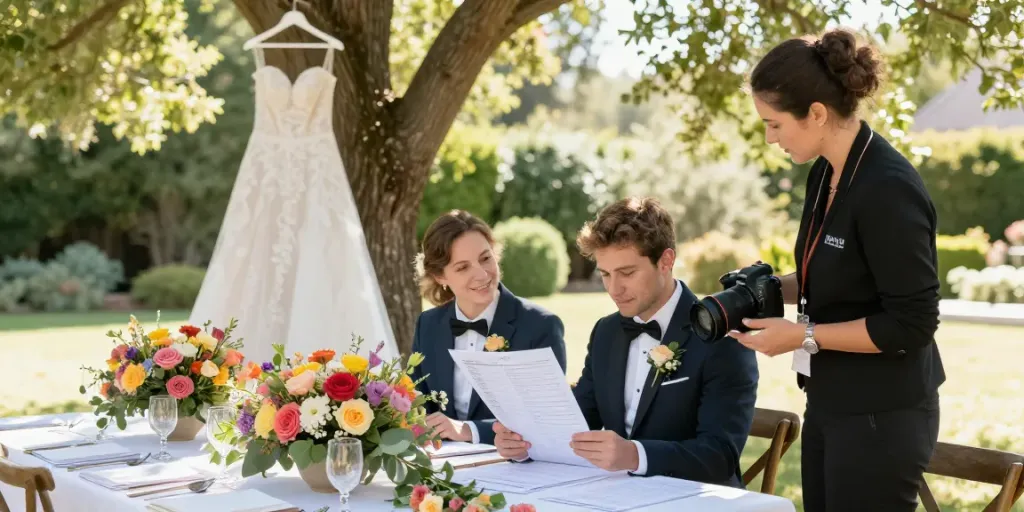
Understanding the Wedding Planning Checklist
Planning a wedding can be one of the most joyful yet daunting tasks in life. A well-organized wedding planning checklist serves as a roadmap, guiding couples through the myriad of details leading up to their big day. It ensures that nothing is overlooked and that every aspect of the wedding is executed seamlessly, from the grandest designs to the smallest details.
What is a Wedding Planning Checklist?
A wedding planning checklist is a comprehensive, actionable list that outlines all the tasks a couple needs to complete before their wedding day. From selecting a venue to finalizing guest lists, this checklist helps in organizing and prioritizing tasks according to their deadlines. By breaking down the planning process into manageable components, it minimizes stress and promotes a more enjoyable planning experience.
Importance of a Detailed Checklist
Every wedding is unique, bringing its own challenges and requirements. A detailed checklist is critical because it allows couples to:
- Stay organized and on schedule.
- Allocate their budget efficiently.
- Communicate effectively with vendors and guests.
- Reduce anxiety by providing a clear overview of the planning process.
Common Elements in a Wedding Planning Checklist
While each wedding is different, certain common elements typically appear in most planning checklists, including:
- Budget planning.
- Vendor selection (caterers, photographers, etc.).
- Guest list compilation and RSVPs.
- Venue booking and layout planning.
- Attire selection for the couple and wedding party.
- Schedule creation for the wedding day.
Creating Your Personalized Wedding Planning Checklist
Steps to Customize Your Checklist
To make the most out of your wedding planning checklist, customization is key. Here are steps to tailor your checklist to fit your unique needs:
- Define Your Vision: Start by discussing your ideas, themes, and style with your partner.
- Set a Budget: Determine how much you're willing to spend and allocate funds to each category.
- Establish a Timeline: Create a timeline that highlights key milestones leading up to the wedding date.
- List Key Tasks: Identify which tasks are essential and rank them by priority.
- Review Regularly: Schedule regular check-ins to reassess progress and make necessary adjustments.
Incorporating Your Wedding Theme
Your wedding theme significantly impacts the type of tasks you'll include in your checklist. Whether it’s a rustic outdoor wedding or a traditional church ceremony, ensure that your checklist reflects your chosen theme through:
- Color schemes and decorations.
- Types of attire for the couple and guests.
- Special entertainment or activities that align with the theme.
Key Deadlines for a Successful Wedding Planning Checklist
As part of the customization process, it’s vital to incorporate deadlines into your wedding planning checklist. Here are some key milestones to consider:
- 12 Months Before: Secure the venue and finalize guest list.
- 6-9 Months Before: Book vendors (caterers, photographers, etc.) and send save-the-dates.
- 3-5 Months Before: Finalize attire and start planning the ceremony details.
- 1 Month Before: Confirm final details with vendors and finalize seating arrangements.
- 1 Week Before: Check in with all parties involved to confirm times and details.
Effective Tools for Wedding Planning
Best Apps and Software for Checklist Management
In today’s digital age, there are numerous tools available to help in wedding planning. Some of the best apps and software include:
- The Knot: Offers a complete checklist and timeline.
- WeddingWire: Provides customizable tools for budgeting and vendor management.
- Zola: Features a user-friendly checklist and a guest list manager.
Printable vs. Digital Checklists: Pros and Cons
Choosing between a printable checklist or a digital one can influence your planning process:
- Printable Checklists: Pros: Tangible, easy to customize by hand, no technology needed.
- Cons: Can be cumbersome to update and manage as tasks change.
- Digital Checklists: Pros: Accessible anywhere, easily shareable, and often includes automatic reminders.
- Cons: Requires a device and internet access.
Sharing Your Checklist with Vendors
To streamline communication and ensure everyone is on the same page, share your checklist with vendors. This allows them to understand your vision and timelines, leading to more effective collaboration.
Common Challenges in Wedding Planning
Addressing Budget Constraints
Budget limitations are often one of the first challenges couples face when planning a wedding. To effectively manage your budget:
- Create a realistic budget: Know your limits and stick to them.
- Prioritize spending: Allocate more funds to areas that are most important to you.
- Be flexible with vendors: Don’t hesitate to negotiate prices or seek alternatives.
Managing Guest Expectations
The guest list can often become a source of tension between couples and their families. Strategies to manage expectations include:
- Set boundaries early: Discuss guest limits openly with family.
- Communicate effectively: Keep all parties informed about decisions regarding the guest list.
- Compromise: Consider allowing family members to suggest a few additional guests.
Overcoming Stress During the Planning Process
Wedding planning can be overwhelming. To reduce stress, try the following techniques:
- Delegate tasks: Involve your partner or family to share responsibilities.
- Take breaks: Step away from planning to relax and recharge.
- Seek professional help: If supported, hiring a wedding planner can alleviate pressure.
Future Trends in Wedding Planning for 2026
Sustainable Wedding Practices and Checklists
As wedding trends evolve, sustainability is becoming increasingly significant. Couples can incorporate eco-friendly elements into their planning checklist by:
- Choosing sustainable venues and caterers.
- Using digital invitations to reduce paper waste.
- Opting for locally sourced flowers and decorations.
Innovative Ideas to Enhance Your Wedding Experience
Consider these contemporary concepts to elevate your wedding:
- Interactive guest experiences: Photo booths and activity stations.
- Virtual ceremonies: Allow remote attendance for out-of-town guests.
- Destination weddings: Combining travel with celebration for a unique experience.
Adapting to New Norms in Wedding Celebrations
As the world evolves, so do wedding norms. Couples should stay informed about:
- Changes in guest capacity regulations.
- Health and safety protocols as they relate to large gatherings.
- Innovative technology for live-streaming and hybrid events.
What to Include on Your Wedding Planning Checklist?
Your wedding planning checklist should be comprehensive and tailored to your specific needs, including:
- Venue research and selection.
- Vendor contracts and deposits.
- Bridal party attire and fittings.
- Seating arrangements and reception layout.
Is $5000 a good budget for a wedding?
A budget of $5000 can be sufficient for a small, intimate wedding, particularly if you prioritize essential items and streamline your expenses. Couples should focus on creative solutions, such as DIY elements and local vendors, to maximize their budget.
What is the groom's mom responsible for?
The groom's mother traditionally has several responsibilities, including:
- Assisting with wedding planning.
- Helping to host pre-wedding events like the rehearsal dinner.
- Offering emotional support and guidance throughout the process.
What are essential vendor appointments to include in my checklist?
Critical vendor appointments that should be included in your checklist encompass:
- Caterers for food tastings.
- Photographers for engagement sessions.
- Florists for bouquet and decor consultations.
- Musicians or DJs for entertainment planning.
How do I prioritize my wedding planning tasks?
Prioritizing tasks can be simplified using these steps:
- Identify your main objectives: What’s most important to you and your partner?
- Create a timeline: Assign deadlines to essential tasks.
- Be flexible: Adjust your priorities as necessary based on time and budget constraints.
What should I do if unexpected changes occur?
Unexpected changes are part of the planning process. For more information, wedding planning tips offers valuable insights. To handle them effectively:
- Remain calm and collected: Take a moment to assess the situation.
- Communicate promptly: Inform any affected parties about changes.
- Have a backup plan: Always have contingency options ready for critical elements.