Understanding the Art of Selfie Taking
The evolution of Selfie culture is deeply intertwined with the advent of smartphones and social media. What began as simple snapshots has transformed into an art form that encapsulates personal expression, societal trends, and technological advancements. Let's delve into the intricacies of selfie taking, starting from its history to the key elements that make a selfie stand out.
History and Evolution of Selfie
The term "selfie" first gained traction in the early 2000s, though the concept of self-portraiture dates back to the Renaissance. The modern Selfie phenomenon surged in popularity with platforms like Instagram and Snapchat, where users could share their images instantly. The selfie has become a cultural icon, shaping how we communicate and present ourselves in the digital realm.
Various Types of Selfies
Selfies can take many forms, each serving a different purpose. Here are some notable types:
- Traditional Selfies: Face-focused photos often taken at arm's length.
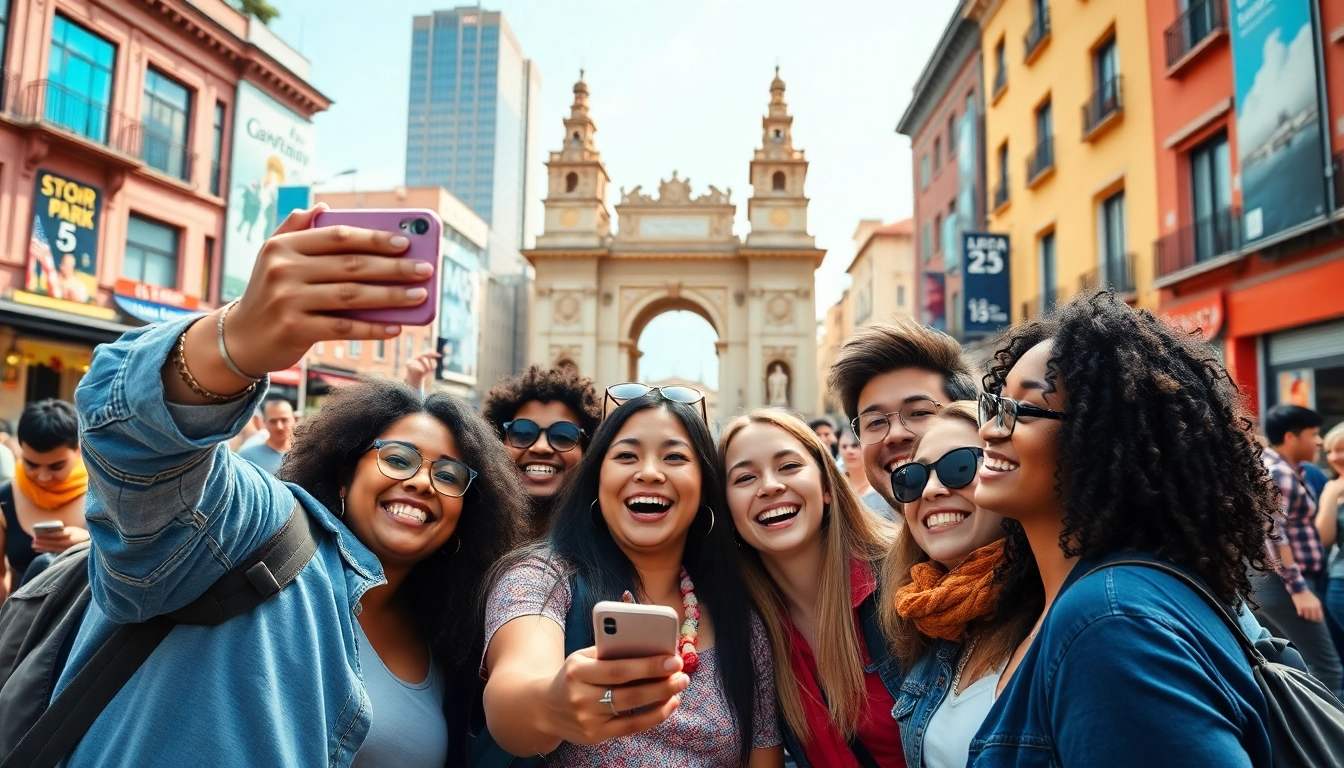
- Group Selfies: Capturing moments with friends or family.
- Mirror Selfies: Reflections often used to showcase outfit styles.
- Selfies with Pets: Highlighting beloved pets in a personal snapshot.
- Artistic Selfies: Creatively altered or stylized images focusing on artistic expression.
Key Elements of a Great Selfie
A successful selfie goes beyond just pointing and shooting. Here are crucial elements to consider:
- Angle: Experiment with different angles to discover your best side.
- Expression: A genuine smile or expressive look captures personality.
- Framing: Ensure the subject is well-framed, with attention to surrounding elements.
- Quality: Use a camera with good resolution to enhance clarity.
Choosing the Right Equipment for Your Selfie
To elevate your selfie game, it’s essential to select the right equipment. The following elements play a crucial role in enhancing your photography experience.
Best Smartphones for Taking Selfies
The choice of smartphone can significantly affect the quality of your selfies. Models with higher resolution front cameras and advanced features like portrait mode are ideal. Consider options with autofocus, wide-angle lenses, and good low-light performance for diverse shooting conditions.
Helpful Accessories to Enhance Your Selfie
Accessories can boost the selfie experience. Some must-haves include:
- Tripod: Provides stability and can help frame group shots without needing a second person.
- Ring light: Offers even lighting, reducing shadows and enhancing features.
- Selfie stick: Extends your reach for wider angles and larger group photos.
- Lens attachments: Such as fisheye or macro lenses to offer unique perspectives.
Understanding Camera Settings
Many smartphones allow for manual camera adjustments. Familiarize yourself with settings such as ISO, exposure, and white balance to better control how your selfies look. Use grid lines to apply the rule of thirds, ensuring proper composition and alignment.
Lighting and Environments for Perfect Selfies
Lighting is crucial when it comes to capturing that perfect selfie. Understanding how different light sources work can make a substantial difference in the outcome.
Natural Light Vs. Artificial Light
Natural light, especially during the golden hour (shortly after sunrise or before sunset), is often the most flattering. However, indoor selfies can benefit from artificial light sources such as softboxes or lamps to avoid harsh shadows.
Best Locations for Unique Selfies
Location can add context and appeal to your selfies. Consider the following:
- Nature settings: Parks, beaches, and mountains offer beautiful backdrops.
- Urban environments: City murals, striking architecture, and iconic landmarks provide unique visuals.
- Your home: Creative indoor settings can showcase your personality.
How to Choose a Background
The background is a vital aspect of any selfie. Choose uncluttered, clean backgrounds to ensure the focus remains on you. Also, consider color contrast; wearing a bright outfit against a darker background can create a striking image.
Editing Your Selfie for Maximum Impact
Editing is where you can really transform your selfies into stunning visuals. Understanding basic editing tools can elevate the quality of your images.
Popular Editing Apps and Tools
Apps like Adobe Lightroom, Snapseed, and VSCO offer powerful editing capabilities. Features such as brightness adjustment, cropping, and color correction can make a significant difference. Many of these apps allow for easy adjustments on your smartphone.
Basic Editing Techniques for Beginners
Start with simple edits like adjusting brightness, contrast, and saturation. Cropping your photo to eliminate distractions can also dramatically enhance the composition. Familiarize yourself with filters to adjust the ambiance of your photo without overdoing it.
Enhancing Colors and Filters
Filters can add unique flair to your selfies but use them wisely. Natural-looking edits can often resonate more than overly edited images. Try different filters and choose ones that enhance rather than overwhelm your natural features.
Sharing Your Selfie Effectively
Once you have the perfect selfie, it’s time to showcase it. The way you share your images can significantly affect engagement.
Best Social Media Platforms for Selfies
Instagram, Snapchat, and TikTok are popular for sharing selfies due to their visual nature. Tailor your content to fit the platform's audience and style for better engagement.
Using Hashtags to Increase Reach
Utilizing relevant hashtags can extend your reach. Research trending #selfie or #selfietime hashtags to connect with a wider audience. Avoid overloading your post with hashtags; three to five focused tags tend to work best.
Engaging with Your Audience
Respond to comments, ask questions, and engage with followers who interact with your selfies. Building a community around your content can improve your visibility and foster relationships with followers.
FAQs About Selfies
What makes a good selfie?
A good selfie focuses on lighting, angles, and background. Natural expression and good framing are also essential for captivating images.
How to avoid common selfie mistakes?
Common mistakes include poor lighting, cluttered backgrounds, and bad angles. Experiment with different settings and angles to find what works best for you.
Are there any tips for group selfies?
Ensure everyone is within the frame, find an interesting background, and use a tripod or selfie stick for added stability.
How can I edit my selfies easily?
Use user-friendly apps like Snapseed or Canva for quick edits. They provide simple tools to adjust brightness, contrast, and color balance.
Where should I post my selfies for maximum engagement?
Platforms like Instagram and Snapchat are ideal for selfies. Tailor your content to fit the style of each platform for better interaction.