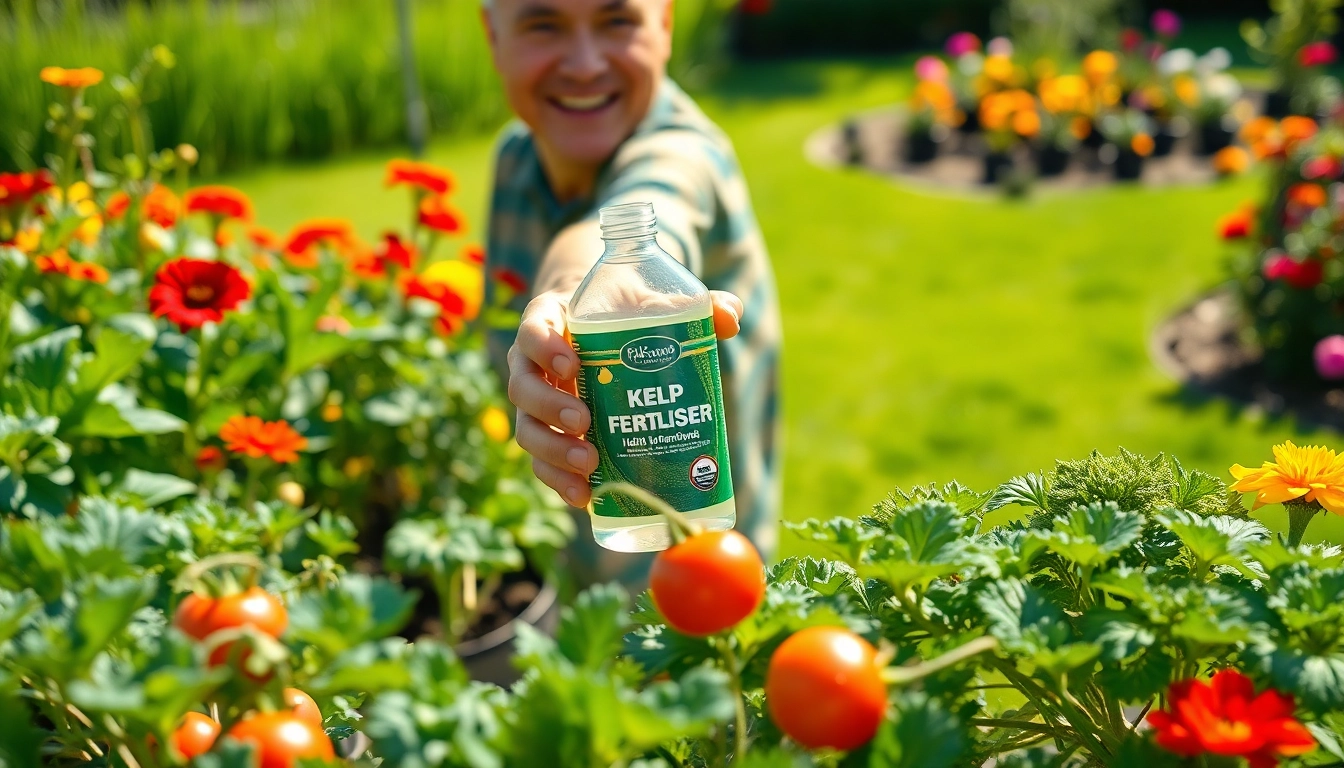
Understanding Kelp fertiliser
What is Kelp fertiliser?
Kelp fertiliser is an organic fertilizer derived from various species of seaweed, primarily the brown algae known as kelp. This natural product is rich in essential nutrients including nitrogen, phosphorus, potassium, and a wealth of micronutrients providing countless benefits for plant growth. The unique composition of Kelp fertiliser makes it suitable for a variety of gardening and agricultural applications, promoting soil health and enhancing plant vitality. For those seeking effective ways to nourish plants, Kelp fertiliser offers a reliable solution through nature's own resources.
Key components of Kelp fertiliser
The nutritional profile of Kelp fertiliser is vast and diverse, primarily featuring:
- Nitrogen: Essential for plant growth; aids in the formation of chlorophyll.
- Potassium: Improves overall plant health and resilience against diseases.
- Micronutrients: Includes calcium, magnesium, iron, and zinc, all vital for various physiological functions.
- Amino Acids: Promote root development and improve nutrient uptake.
- Natural Plant Hormones: Help with growth regulation and stress response.
Types of Kelp fertiliser available
There are several forms of Kelp fertiliser designed to meet different gardening needs:
- Liquid Kelp Fertiliser: Fast-acting and easily absorbed by plants, ideal for immediate nutrient provision.
- Kelp Meal: Made by grinding dried kelp, offering a slower release of nutrients, suitable for soil amendment.
- Powdered Kelp Extract: Concentrated option providing potent nutrient delivery in a small amount.
Benefits of Kelp fertiliser for plants
Improving soil health with Kelp fertiliser
Kelp fertiliser enriches soil by enhancing its structure and fertility. Its organic matter content helps improve soil aeration and water retention, which is crucial for promoting beneficial microbial activity. This microbial life is responsible for breaking down organic materials into nutrients that assist plant growth. The natural chelation properties of Kelp fertiliser also aid in the availability of nutrients in soil, ultimately contributing to healthier crops.
Enhancing plant growth and development
The application of Kelp fertiliser directly influences plant growth rates. Studies have shown that its application leads to quicker germination, increased root development, and enhanced flowering and fruiting processes. Kelp fertiliser encourages strong stems and leafy growth, allowing plants to reach their full potential. By supplying a steady supply of micronutrients and hormones, Kelp fertiliser fosters robust, resilient plants that flourish in varying conditions.
Environmental advantages of Kelp fertiliser
Using Kelp fertiliser is not only beneficial for gardening, but it also contributes positively to the environment. As a natural product, it reduces reliance on synthetic fertilizers, which can pollute waterways and degrade soil health over time. Kelp farming is a sustainable practice that contributes to ocean health. By integrating Kelp fertiliser into gardening, we not only improve our surroundings but also promote responsible agricultural practices.
How to use Kelp fertiliser effectively
Application methods for different plants
There are multiple application methods for Kelp fertiliser depending on the type of plant and gardening setup:
- Liquid application: For leafy vegetables, apply diluted liquid Kelp directly onto leaves as a foliar spray. This method is effective for quick nutrient absorption.
- Soil incorporation: Mix Kelp meal into the soil prior to planting to improve its nutritional profile and structure.
- Compost enhancement: Add Kelp to compost piles to accelerate breakdown and nutrient availability.
Fertiliser schedules for optimal results
Creating a fertiliser schedule is vital to maximizing the benefits of Kelp fertiliser. Generally, it is recommended to apply Kelp fertiliser at the start of the growing season, during planting, and a few weeks post-planting. For plants with high nutrient demands, a bi-weekly or monthly application could be beneficial. Regular monitoring and adjustment of the fertiliser schedule can lead to improved outcomes in plant health and yield.
Combining Kelp fertiliser with other nutrients
Kelp fertiliser works synergistically with other organic fertilizers to provide a comprehensive nutrient profile. When combining with compost or organic matter, plants receive a well-rounded diet of both macro and micronutrients. Users should also be cautious not to overwhelm plants with nutrients; always test soil nutrient levels for optimal balance. Timing is crucial when applying mixes with other fertilisers to avoid nutrient lockout.
DIY Kelp fertiliser recipes
Making liquid Kelp fertiliser
Creating your liquid Kelp fertiliser can be done easily at home. Simply soak dried Kelp in a bucket of water for about two weeks, stirring occasionally, allowing nutrients to leach into the water. Strain the mixture, and it is ready to use. Dilute this concentrate with water at a ratio of 1:10 before applying to your plants.
Creating Kelp meal fertiliser
To make Kelp meal fertiliser, gather dried Kelp and grind it into a fine powder using a food processor or mortar and pestle. This meal can then be incorporated into soil or used as a top-dressing. It's essential to ensure that the meal is dry to maintain its nutrient content and prevent spoilage.
Utilizing seaweed for homemade solutions
Besides Kelp, other seaweed types can also be used similarly. For instance, utilizing a mix of beach-foraged seaweed allows for a diverse array of nutrients. Ensure to rinse to eliminate salt and impurities before incorporating into homemade fertiliser solutions.
Frequently Asked Questions about Kelp fertiliser
Can Kelp fertiliser be used for all plants?
Yes, Kelp fertiliser is versatile and can be used for nearly all types of plants, including vegetables, fruits, and flowering plants. However, adjustments may be required based on plant needs.
How often should I apply Kelp fertiliser?
Typically, Kelp fertiliser can be applied during planting and then every 4-6 weeks throughout the growing season, depending on plant type and soil quality.
Is Kelp fertiliser safe for organic gardening?
Absolutely! Kelp fertiliser is an organic product, making it suitable for use in certified organic gardening practices and sustainable farming.
What are the signs of over-fertilization with Kelp?
Signs of over-fertilization include root burn, wilting, leaf curling, and nutrient imbalance. Always follow recommended application guidelines to avoid these issues.
Can I make Kelp fertiliser at home?
Yes, making Kelp fertiliser at home is easy and cost-effective. You can create liquid or dry Kelp fertiliser using dried Kelp or other seaweed with simple methods outlined in this article.